Standing out as a wedding photographer can be difficult. The wedding photography industry is notoriously competitive, as well as grueling. Shooting a wedding can be intense, with long hours and a lot of pressure to get things right.
But the payoff can be incredibly rewarding. If you can survive the stress and come out with amazing wedding photos, your clients will be deeply grateful. You’re not just documenting a big event; you’re creating memories that they and their families will treasure forever.
If you want to get into wedding photography but aren’t sure where to begin, here are a few tips. For more detailed wedding photography tips, see our other article here.
Tips & Ideas for Wedding Photography
Establish your wedding photography style.
If you’re not sure what your personal style is yet, start by looking at the different wedding photography styles out there. What do you like best? Are you going to go down the traditional or contemporary route? Or perhaps you’re more of an artistic photographer? How about reportage?
Most couples know what they want beforehand, so it’s important that you’re clear about what they’ll be getting from you. You should also check out the competition in your local area to see if there’s an under-represented niche you could take advantage of. Don’t forget that the wedding photos featured on your website should be a reflection your personal style.
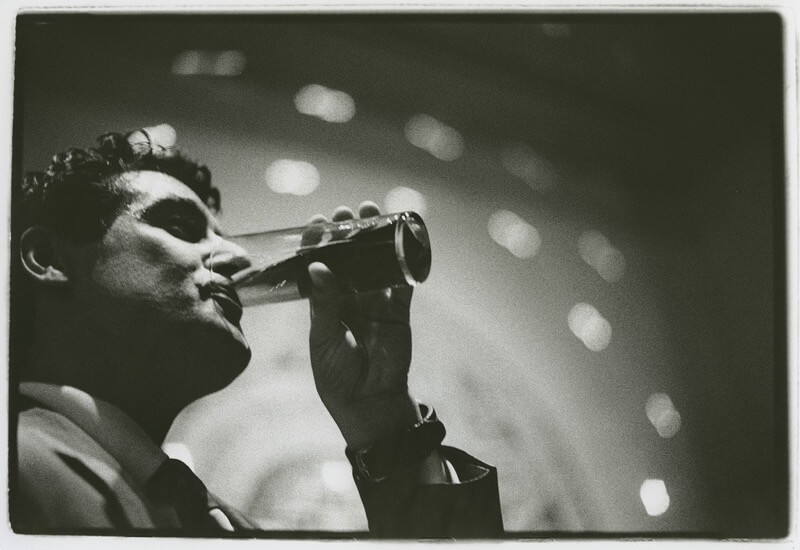
Wild Priest – Alysha
Plan meticulously.
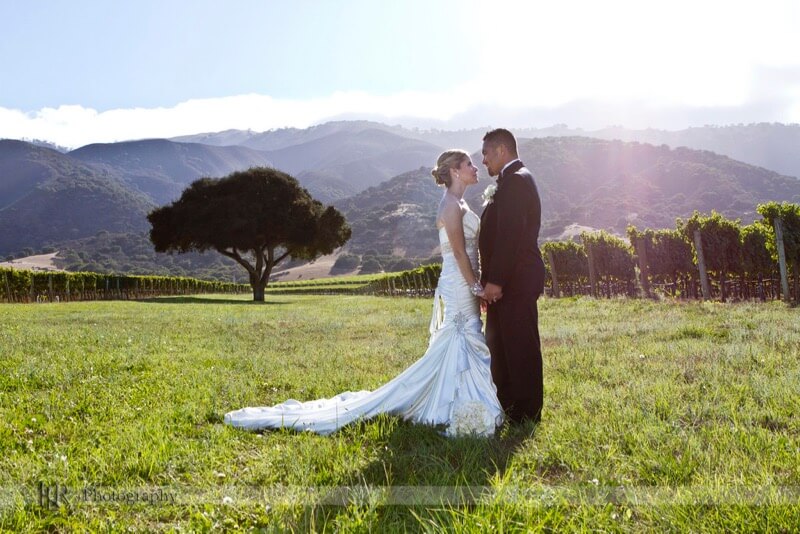
A great wedding photographer plans well ahead. If you’re about to shoot at a venue you’ve visited before, don’t assume things will be the same the second time around, particularly for outdoor shots. If possible, assess the venue in the run-up to the big day, especially if it’s in a different season. For instance, the sun may be higher or lower, or the trees and flowers will be different.
These details can really affect outdoor group shots. Adjust your equipment accordingly, as it can make the difference between producing good photos and truly great photos.
Of course, all good plans must include good contingency plans. Ensure you have suitable indoor or sheltered locations as a backup should the weather take a turn for the worse.
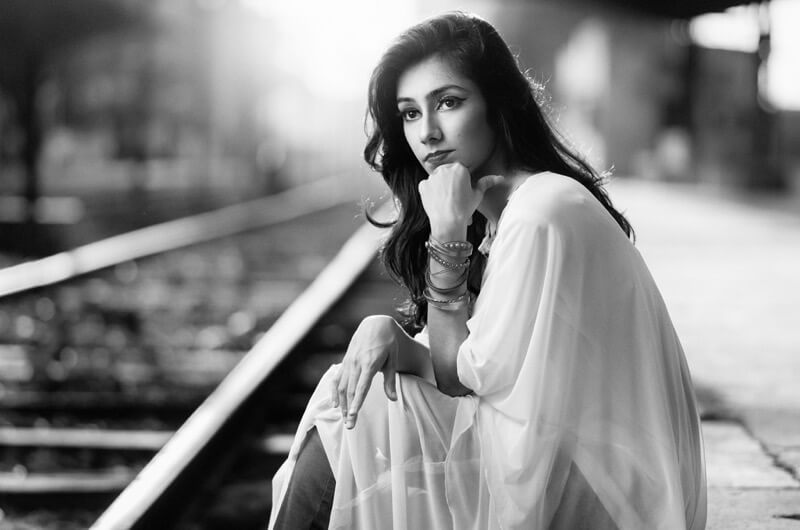
Kelley Rood – Wedding Portrait – Bride & Groom
Capture the emotions.
Clever wedding photographers are tuned into the emotions of the people they’re photographing. One half of your job is capturing any powerful, emotive moments created by the wedding participants. The other half is to create your own wow moments (more on that later).
One of my favorite memories as a wedding photographer was witnessing a father shed a tear at seeing his baby girl in her dress when she had never seen him cry before. It’s a moment she’ll never want to forget.
For spur-of-the-moment shots like this, I prefer not to get bogged down with technicalities. Focus too much on the composition and technical details, and you’ll miss the priceless ‘blink and you’ll miss it’ shots that we all strive to capture. Also, a narrow depth of field is often your best bet for these shots, as it further emphasizes the chemistry between the families and friends in the photos.
Paul Van Hoy II – Destination Wedding Photography
Use the right lighting for the right job.
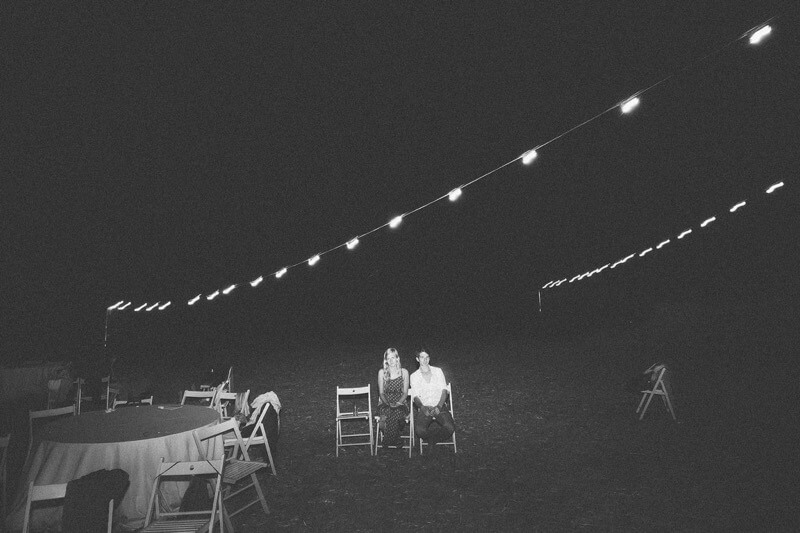
A popular request from brides and grooms is for their photos to have a dreamy, almost fairytale-esque look, characterized by soft lighting. This can be tricky in the summer as direct sunlight may create harsh shadows, no matter how much diffusion is used. A better idea would be to shoot these types of photos in the evening, using props such as fairy lights and lanterns to enhance the effect.
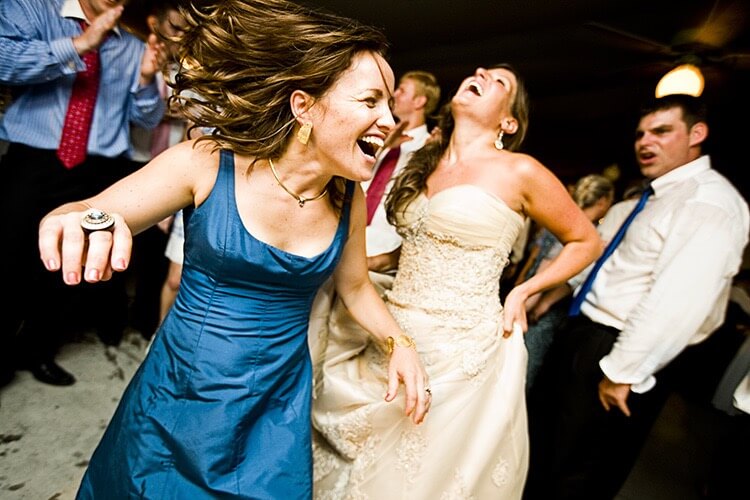
For the nighttime portion of the wedding, choosing the right lighting is crucial to capturing the party atmosphere. As the light fades outside, the inside of the venue gets brighter. In this scenario, use flash sparingly. Bouncing light is your best friend here and will get you some very interesting photos.
Thibaut Pietri – Wedding / Mariage
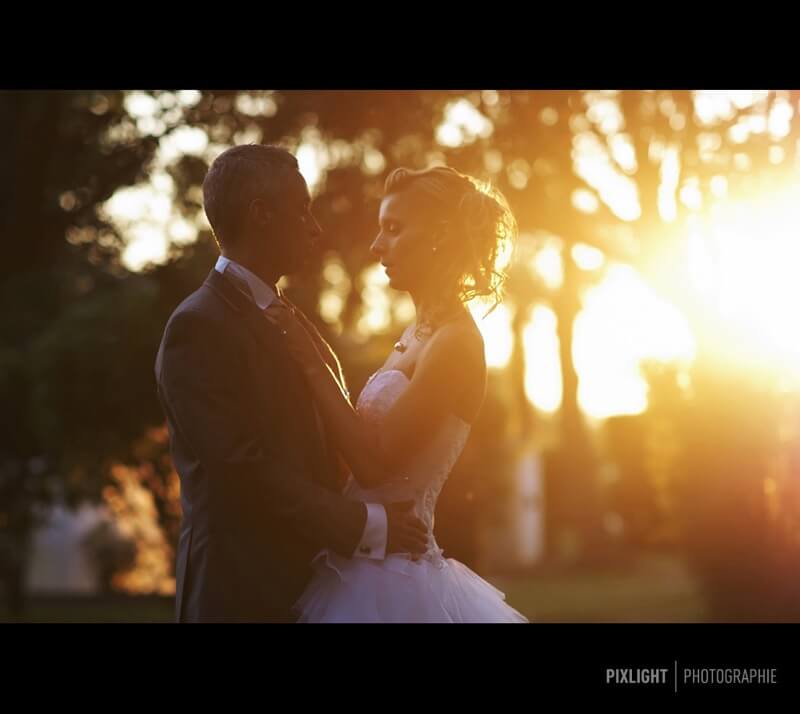
Create some wedding photography magic.
Earlier I talked about how you shouldn’t be too technical when capturing quick-fire emotional moments at a wedding. However, the other aspect of your job as a wedding photographer is to create unique photographs stamped with your personal style.
These unique photos can cause even the most experienced photographers to struggle. They’re where you wow the guests and justify the bride and groom’s decision to choose you. They’re what set you apart from the competition and prove your abilities as a wedding photographer.
This may sound like a high bar, but it’s definitely achievable. You just need confidence, a willingness to learn, and enthusiasm for the job. (And practice, of course.) Remember, these are the shots that will get you noticed and make you stand out from the crowd. You’re there to capture the magic unfolding around you, but you can always create a bit of magic of your own, too.
Need some inspiration for developing your personal style? Check out these photos from our amazing Flickr community, organized in three categories: Wedding Details, Poised Wedding Portraits, and Candid Wedding Shots.
Wedding Photography Details
A lot of effort is typically put into the decorations and details of the wedding. Photographing these details–from the bride’s jewelry to the wedding cake–helps to recreate the celebration. While the majority of your photos should focus on the people, it’s worth spending some time taking in the atmosphere, too.
Lee Rodgers – She’s a star

Tuhin alom Photography – wedding bride
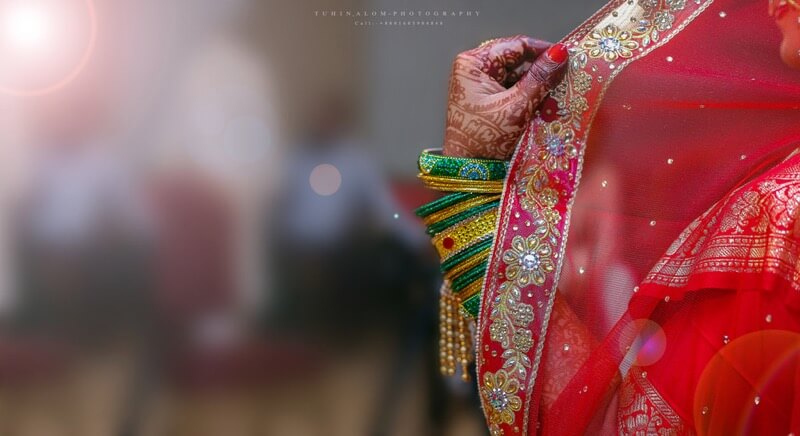
hernani hernandez – Bullseye

Sujith Kumar – The beautiful bride by Karthi Keyan
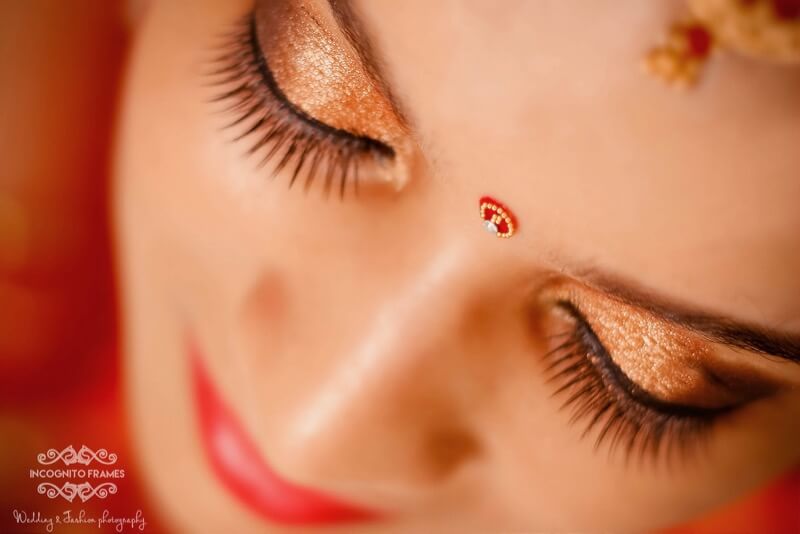
Yane Naumoski – Day 257: The big day
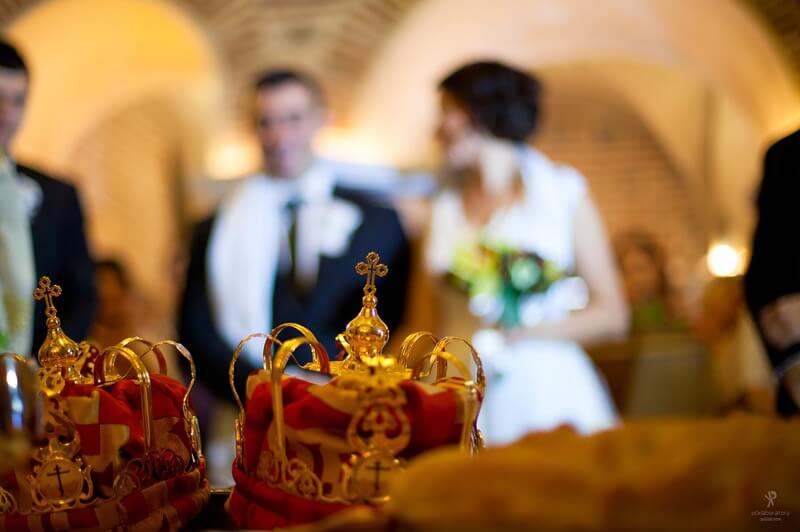
Gili Benita – Untitled
Posed Wedding Photography Portraits
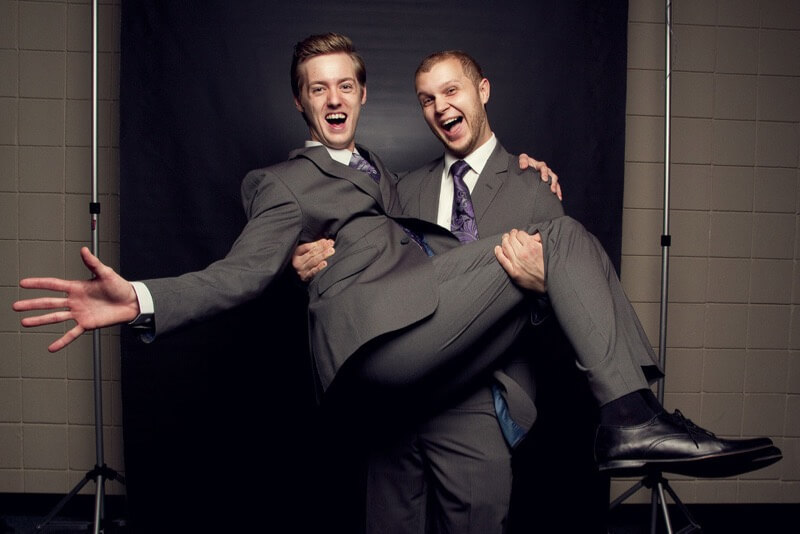
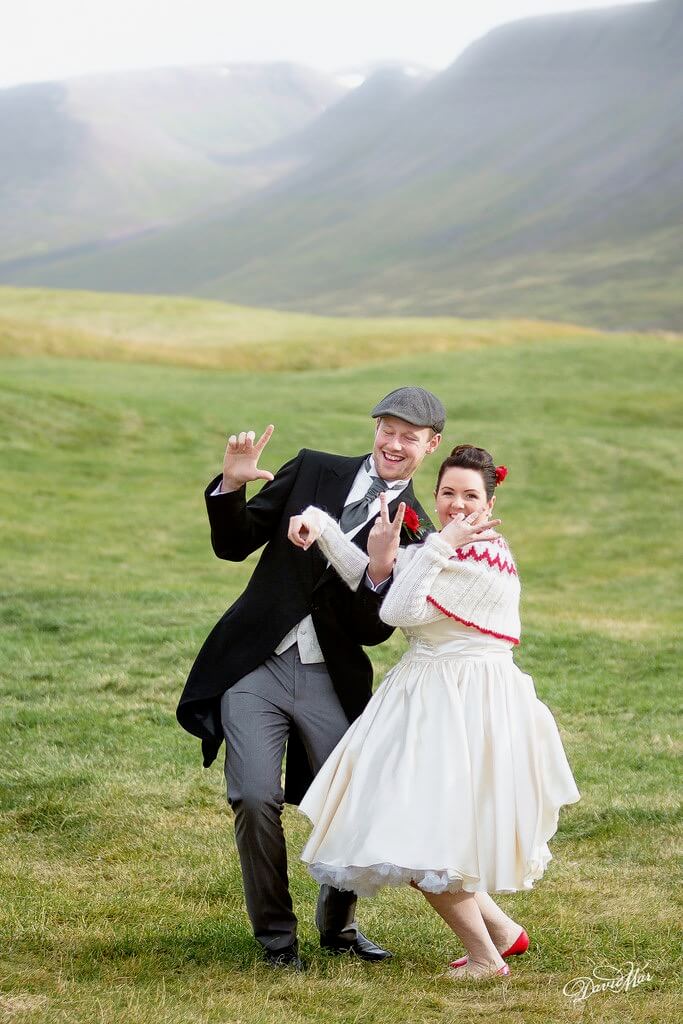
Formal portraits are a given at every wedding. Though predictable, they can still be fun. When it’s time to gather the group together, be sure to prepare in advance with a quick study of these group posing tips.
Matthew Coughlin – The Groom and his Best Man
David Mar Sigurdsson – Rúnar & Auður
Anh Tu Nguyen – Linh – Ngoc Pre-wedding
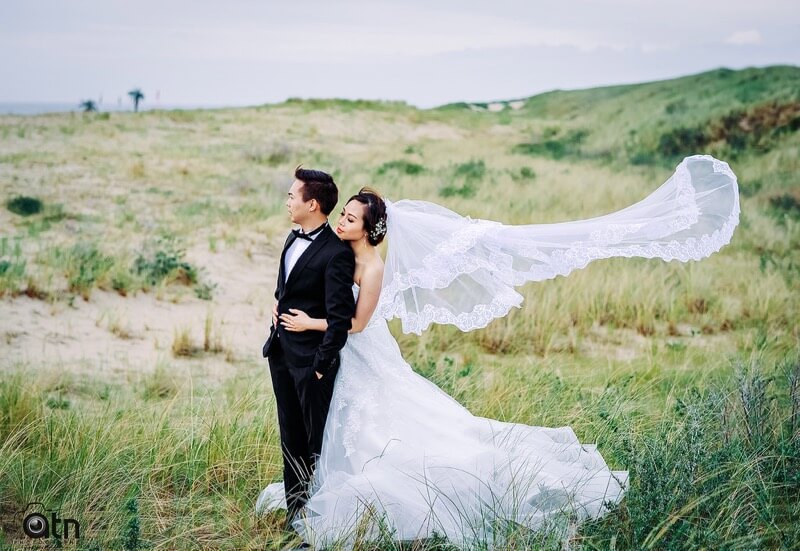
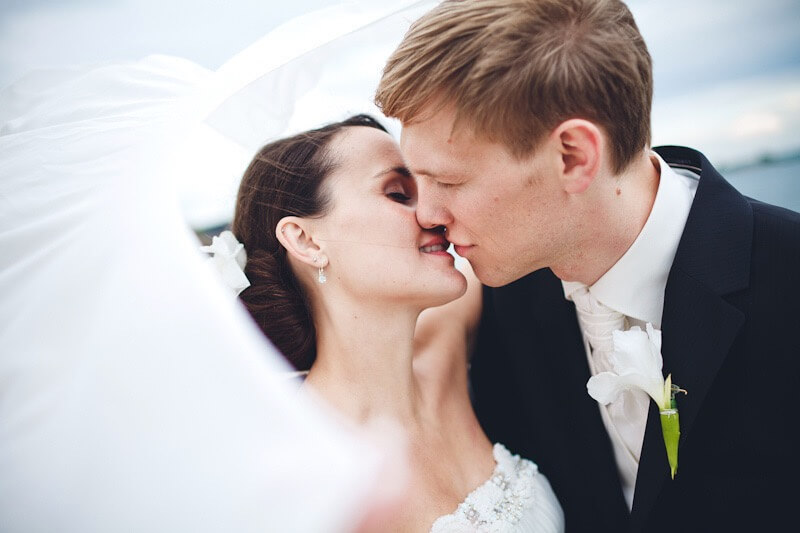
°phibo – Katrin & Rolf
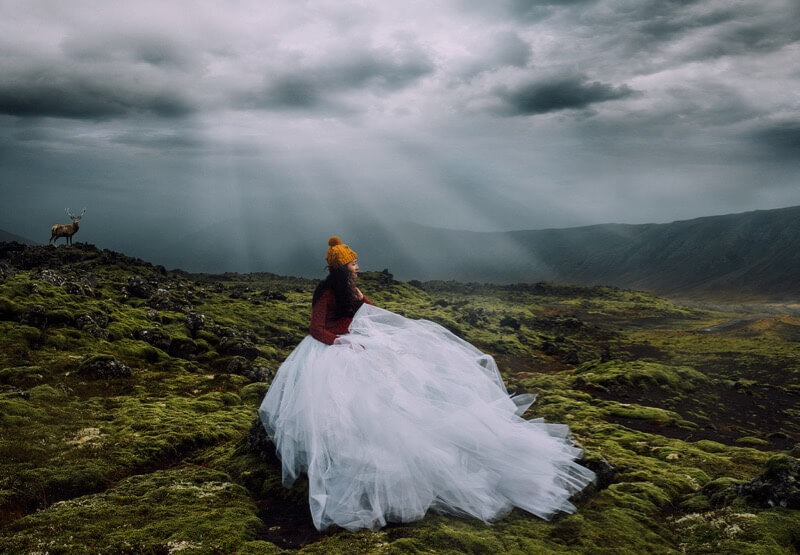
Anh Tu Nguyen – Bride in Iceland
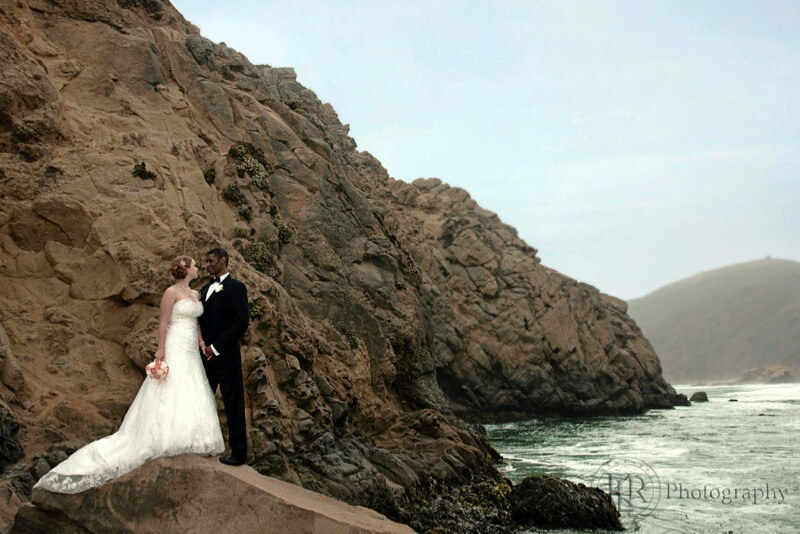
Kelley Rood – Wedding Portrait – Bride and Groom
Tuhin alom Photography – wedding groom & bride
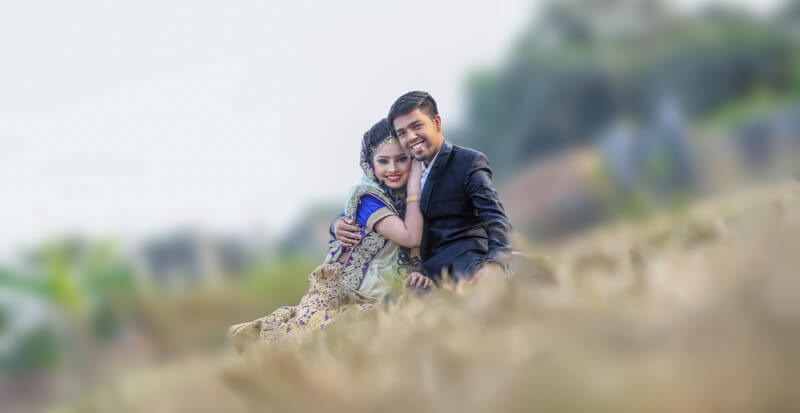
Tuhin alom Photography – wedding groom & bride
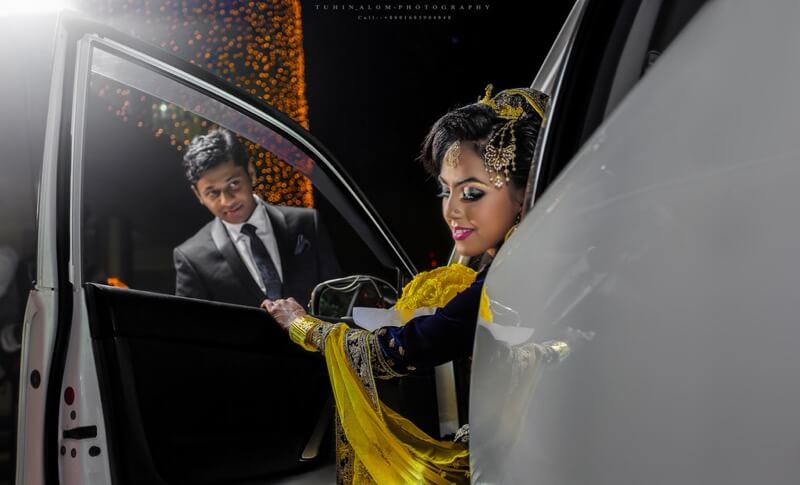
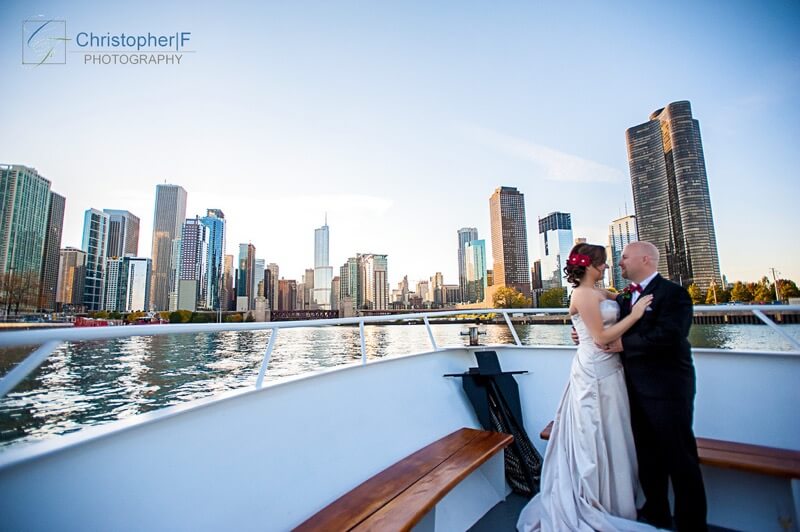
Christopher – Jen and Carl – Married (3.11.12)
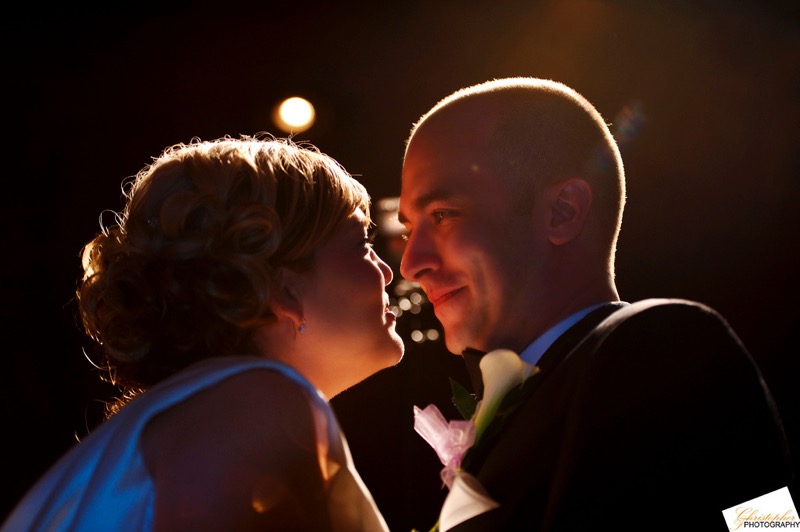
Christopher – Renee + Tom: {Hitched}!
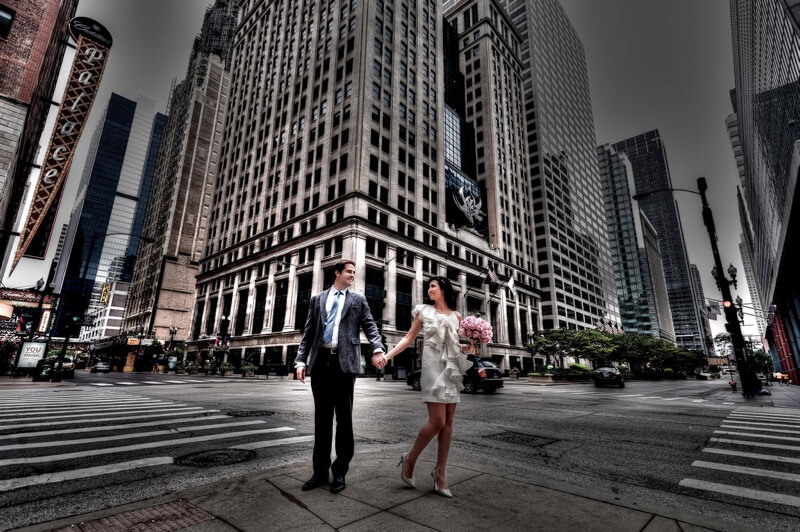
Tuhin alom Photography – Wedding
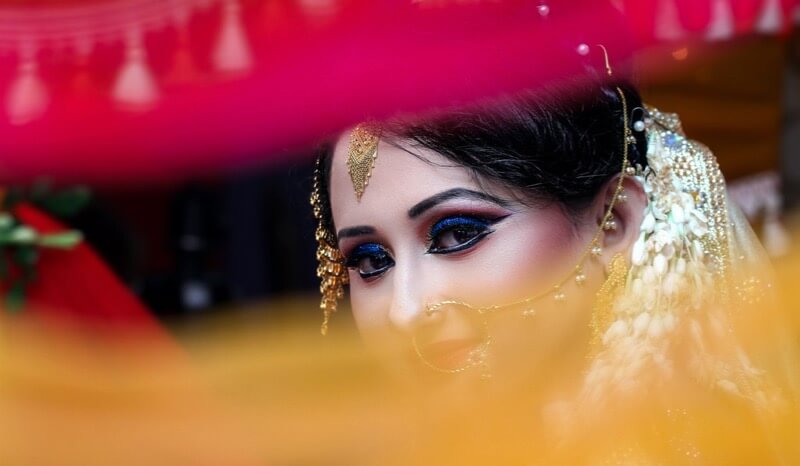
Christopher – Sneak Peak: Bethany & Adam {Hitched}!
Candid Wedding Photography Shots
Here’s where you really capture the emotions of a wedding. For help on capturing candid shots, read our posts about candid photography and getting candids without being noticed.
Edward Olive – Couple on dance floor
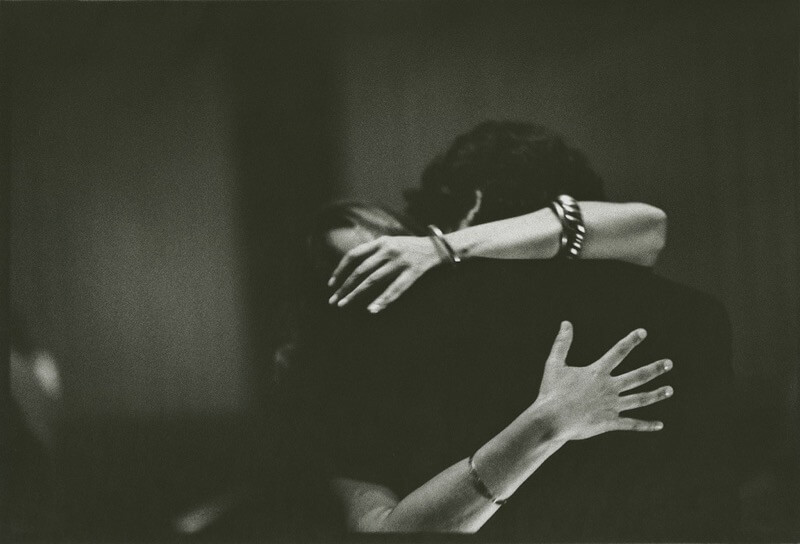
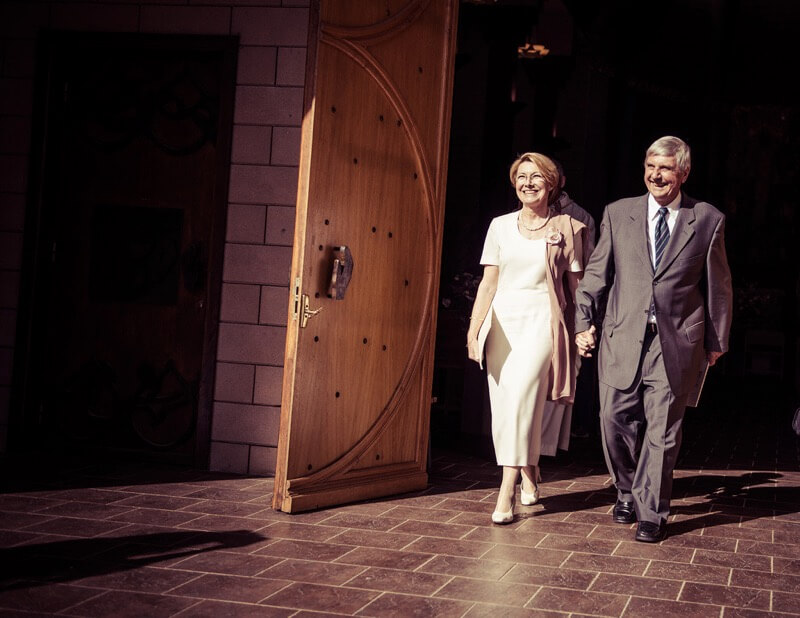
Alessandro Baffa – Love Has Not Age Limit
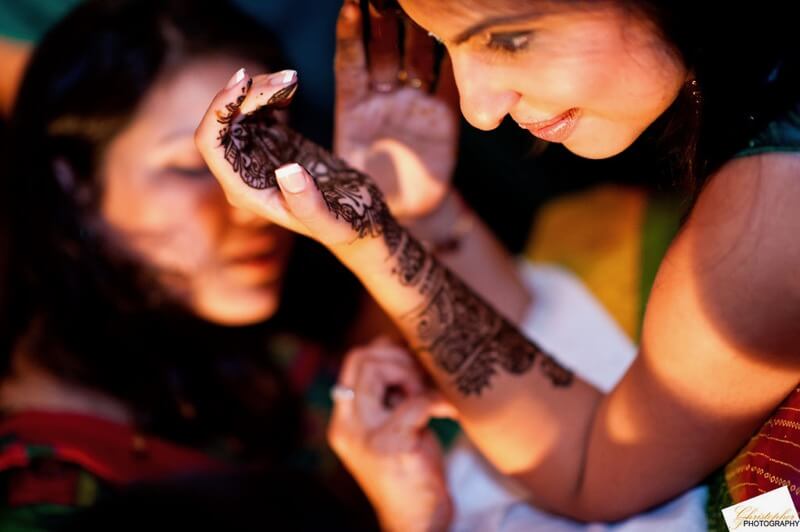
Christopher – Anjali’s Mehndi
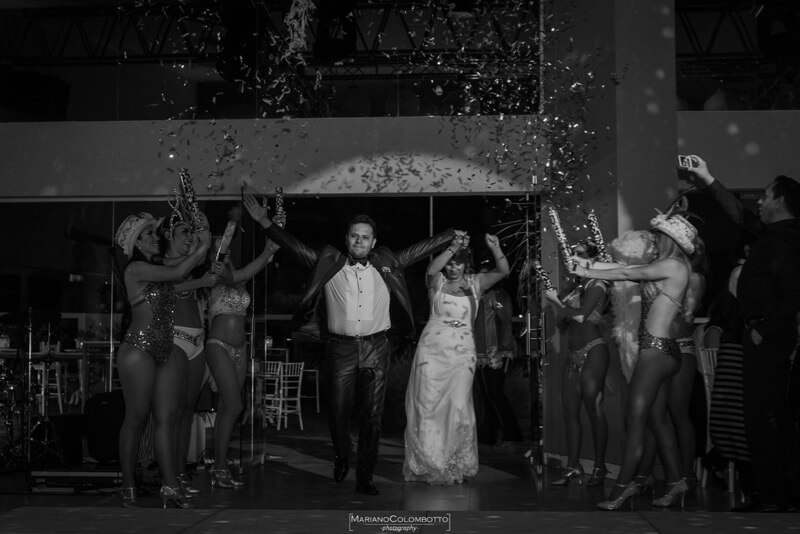
Mariano Colombotto – Let’s get the party started
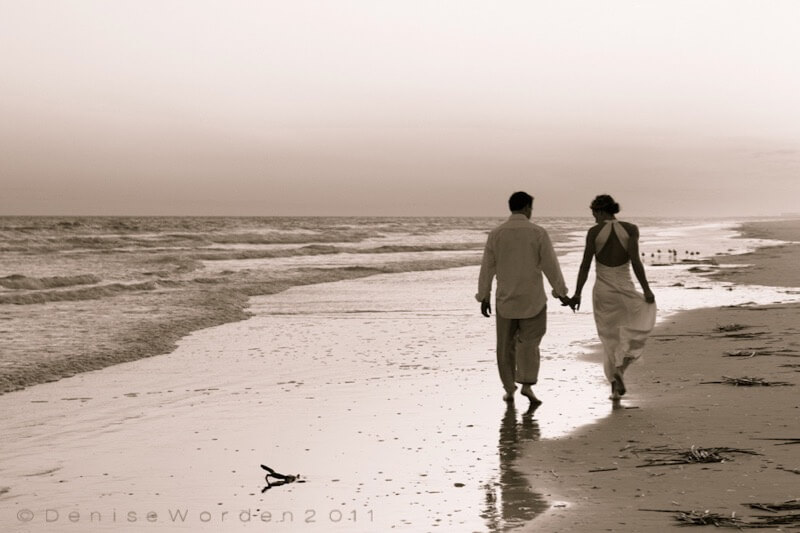
Denise Worden – Best Friends Forever
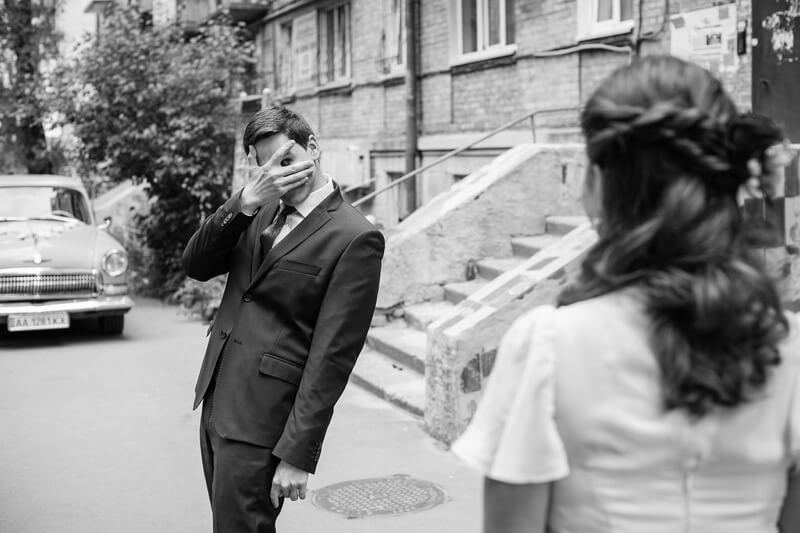
Maksym Kaharlytskyi – First look
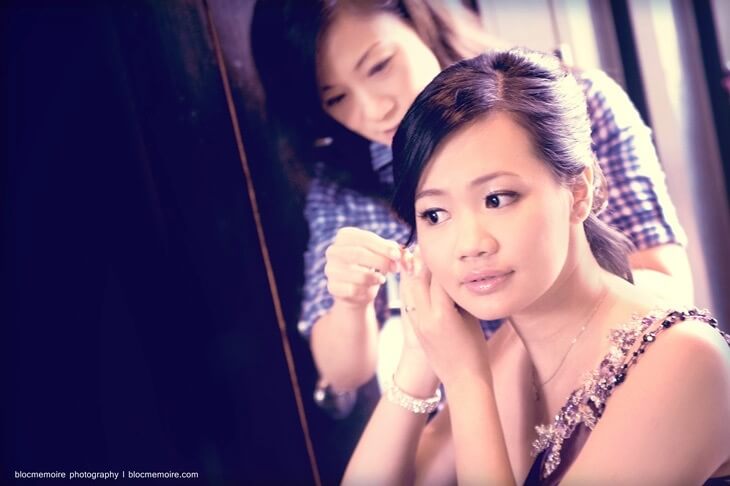
guan hui – Untitled
Edward Olive – Portrait of man in wedding party