18
Quick Tips to Help You Take Sharper Photographs
There are many reasons that photographs end up a bit less sharp than desired. Sometimes it is an accident such as the subject moving slightly and blurring the scene, but at other times it is something to do with camera settings and the subject.
Aperture
One of the first things to consider when taking a photograph that seems to remain a bit less focused than is desired is to consider the aperture. Aperture usually is viewed as a way of controlling the amount of light entering the camera through the lens, but it also instantly affects the depth of field.
Aperture is often a very confusing issue to new or novice photographers because it is referred to in somewhat contradictory terms. When it is “stopped down” it means that the size of the opening is very small, but this requires the setting to be numerically high. When the aperture is wide open, the f/stop setting can be as low as 1.4 or 2 on the camera.
When it is wide open the aperture causes a very noticeable shortening of the depth of field which leaves the subject of the photograph in focus but leaves the foreground and background blurry. While this can often be a desirable effect, especially in a photograph where the subject is filling the frame, it is not wanted in such things as landscapes and other shots.
ISO
What can be done if the photographer needs sharpness, but also has to let more light into the camera? A few things can be done to support this need. One of the easiest is for the photographer to bump up the ISO setting. This is what used to be referred to as “film speed”, but in the digital age it means the sensitivity of the camera’s sensor device to the light entering it. The problem with using high ISOs is that they create digital “noise” in the final image. This is a graininess that can often ruin a photograph that is due to be enlarged to any measurable degree.
Neutral Density (ND) filter
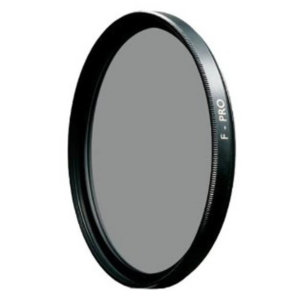
What if the reverse applies and there is too much light? There are lenses that can help with this sort of problem, and the most frequently used is the Neutral Density (ND) filter. This allows the photographer to create the proper exposure without worries about light intensities ruining the shot. This means that any level of sharpness is possible regardless of the existing conditions.
Manual Focus
Another issue that can cause a lack of sharpness in a photograph comes with the appearance of the many focusing modes. This can cause the camera to lock and autofocus on the wrong area of the image. For this reason a photographer should usually rely on the manual settings for shots that might need a bit more control to obtain.
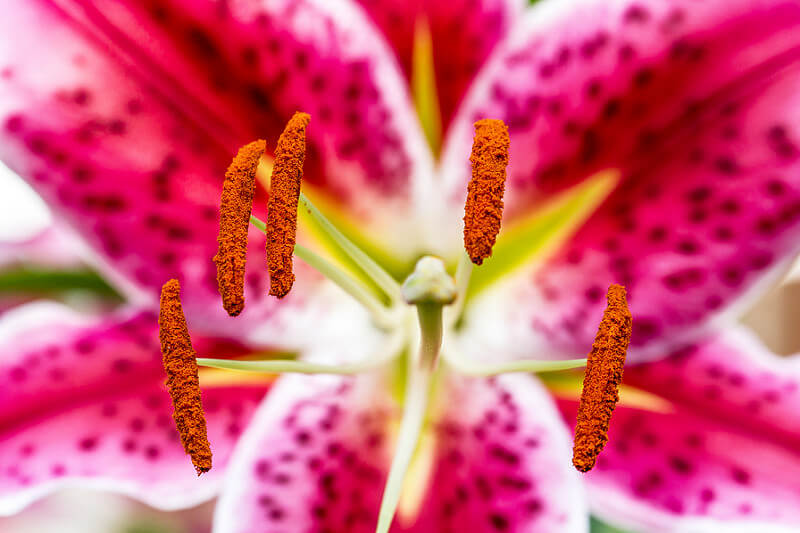
Top image by thelightgatherer
Like Our Site?
18 Comments
-

Julius Kuhn-Regnier said:
Cool post and nice blog ;) I’ll definitely try some of the things out you mentioned!
-

Catalina said:
Very useful tips, especially the one regarding the ND filter, of which I, for one, only had vague knowledge. For me, Photoshop seems to provide a little bit of help with that extra bit of sharpness, but it’s obviously better to have a crystal clear photo to begin with. Thanks for the article!
-

justarizona said:
Aperture first that is so true. I love the reminder and will re-read this to be sure it’s sunk in!! Thanks.
-

Dennis said:
Avoiding camera shake is the name of the game to sharp images. Using a tripod is a solution. Image stabilizing techniques are also helpful to some degree. There are also lens quality characteristics which affect the sharpness of an image. Think about corner softness, CA etc. At the end the question will still be: ‘how sharp is sharp enough and is it more important than the message emitted by the photograph?
-

kelowna photog said:
Thanks for the tips. What do you do if you have shaky hanks, use a tri or mono pod.
-

Gierly said:
This tip is very helpful for me, i am a biggener i still have a lot to learn. Thanks for the article.
-

-

Jane Griffith said:
I have found your articles so informative! Thank you so much for your having this forum.
-

W J Dougherty said:
I have been using a depth of field calculator for past few years and its an eyeopener! Using a setting of f2.8 gives a DoF of only 3tenths of an inch at certain settings! Much too shallow for that bug, or that flower.
Its an aspect to be understood in acheiving sharp photos.
Understand the end result of your settings – aperture first… -

Harry Pherson said:
Thanks for the useful information that should practiced a lot .
-

Theo said:
Short and to the point, aperture first! Great reminder.
-

BareFoot Finn said:
Great tips! Thank you!
I would also recommend checking your diopter adjustment near your viewfinder. There should be a little dial that adjusts it for your vision. Checking it regularly will reduce frustration. :)
-

Tenee said:
This is a great platform very informative ‘well done ‘
-

Alden Miranda said:
Great post, very informative. Thanks
-

dave said:
I’m a beginner but I always try to remember my breathing too. I used to be in the military and M16 training taught me to always fire at the end of exhale or end of inhale. The slight movements of respirations can throw things off.
-

vaibhav said:
really really really useful for budding photographers and especially according to their point of interests !! I also came to know about the human nature i.e. not going through instruction manual… that’s really HUMOROUS :)….doubts about filter,ISO, etc. have been clarified…in short a booster dose for beginners !
-

George Augustine said:
use a tripod.
-

D said:
Surprised that nobody has mentioned that every lens has a “sweet spot” aperture for focus… most lenses this is between 4.5 and an 8. But the only way to know for sure is to test YOUR PARTICULAR LENS…they are, after all, all different. A focus chart and a tripod will help you figure out exactly which stop is optimal for focus. Second, and I’m even more surprised about this- especially because of the ubiquity of zoom lenses, that nobody has brought up the technique of racking to the longest focal length on the zoom lens to focus, locking focus with the autofocus lock button and then zooming out to reframe. Check this for yourselves…focus your 24 or 18mm lens on someone’s eye…then zoom in and see that it’s not actually sharp, it will be like this EVERY TIME..you’ll see it snap to tack sharp if you press the focus button. And third…learn to focus manually. It’s not easy, but it’s important..you’ll see why when you do it. Don’t worry…practice makes perfect.


Making Your Wedding Photography Stand Out
Showcase Challenge: Fences
20 Outstanding Examples of Travel Photography
Techniques of Freezing Action in Digital Photography
Guide To Inkjet Digital Photographic Papers
Simple Rules for Composing Perfect Landscapes
14 Cool Examples of Tilt-Shift Photography
Tips for Perfect Portrait Posing
40 Stunning Photographs of Serene Sunsets
Photographer Showcase: Rivers and Streams by Chip Phillips
25 Wonderful Photographs of Rain
A General Look at Macro Photography
Making Sense of Cloud Storage Services for Photographers
The Golden Hour Portfolio eBook
Portraits of Strangers by Danny Santos
Showcase Challenge: Rain
16 Useful Photography Apps For Your Android Phone
The Breathtaking Beauty of Infrared Landscape Photography