Portrait photography ranks among the most popular photography genres. Millions of selfies, pictures of family & friends, and even snapshots of strangers get posted every day on social media. Considering the volume of new portraits coming into the world daily, how can you make your portraits stand out? To take better pictures and increase the impact of your portraits, put the seven following portrait photography tips into practice. Your followers will wonder if you’ve gone pro (if you weren’t one already).
7 Portrait Photography Tips
- Change Your Perspective
- Create a Candid Look
- Try a Different Lens
- Use a Prop
- Ignore the Face
- Experiment with Different Lighting Styles
- Finalize the Portrait in Post
Portrait Photography Tips #1. Change Your Perspective
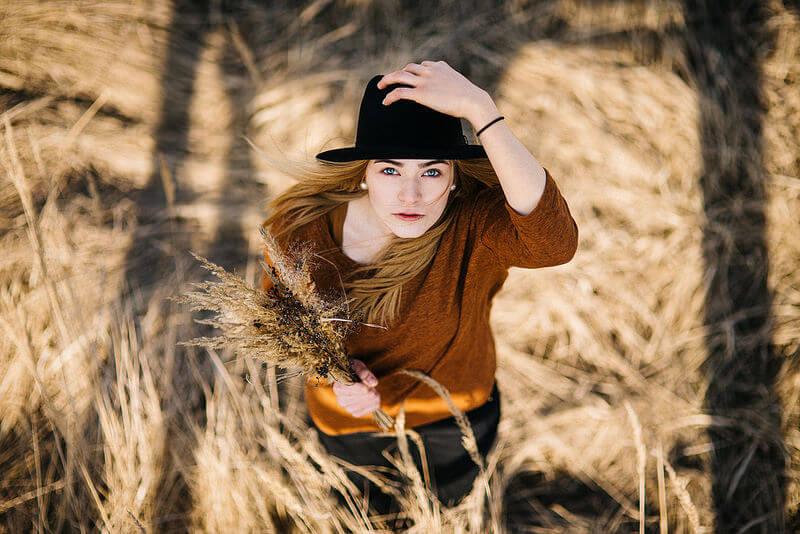
Perspective is one of the first things to consider when taking photos. The most used perspective is face-to-face, holding the camera at eye level. But there are so many other options. Why not drop to one knee? Or lay down on the floor? Or shoot from above? The same principle holds true for posing. Mix up posture, seating, and composition. You’re only limited by your subject’s comfort level.
Steven Ritzer – Jamy
Berit Alits – Hannah
#2. Create a Candid Look
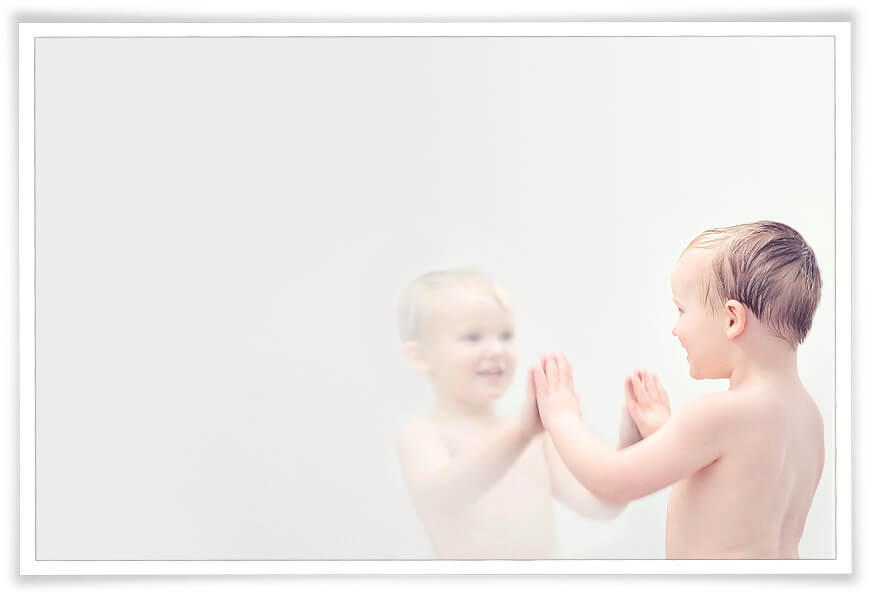
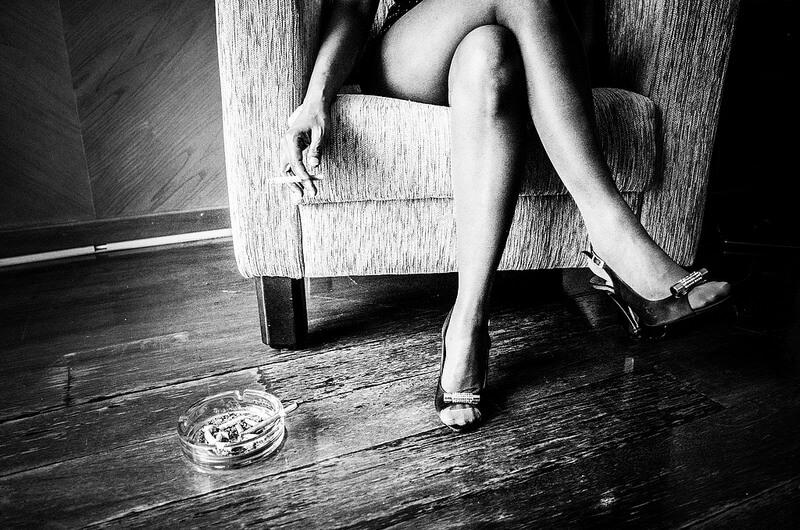
Portraits look best when they look genuine. Unfortunately, candidness can be hard to create with posed portraits. One trick is to have the model look away from the camera. For example, there might be something interesting for the model to watch, like a wedding. For portraits with multiple people, simply ask them to look at each other. Even if it’s awkward at first, staring at another person turns into genuine laughter and smiles faster than just staring at a camera.
Sara – steam team
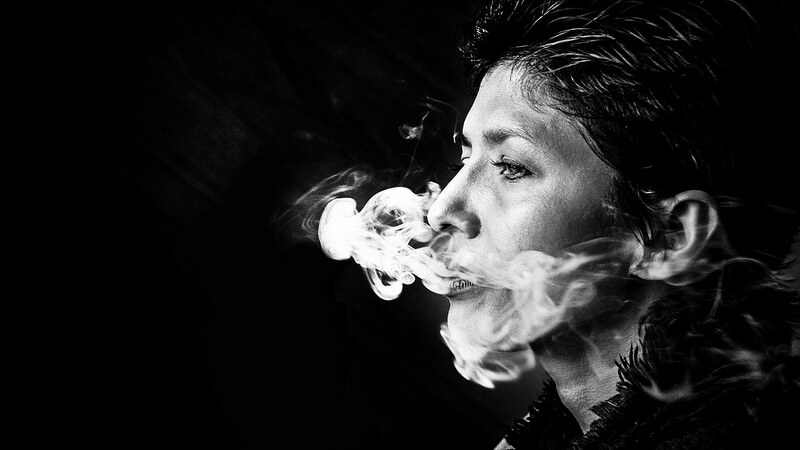
Shirren Lim – .it’s all just a smoke screen.
Portrait Photography Tips #3. Try a Different Lens
The ‘standard’ lens for portraits tends to be a 50mm to 85mm, but why not try a 24mm? Of course, there will be some distortion of your subject’s features, but that might actually make the portrait more striking. For instance, if the model held his hand out, it would appear much larger and give the image a different feel. It might be exactly what you’re looking for.
Matthew Coughlin – 158/365 Yankees Suck

Shirren Lim – . [while] we were talking.
#4. Use a Prop
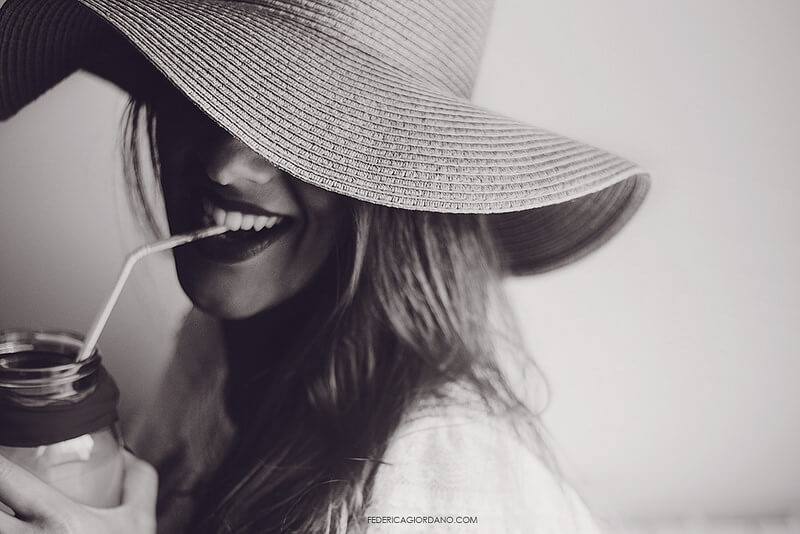
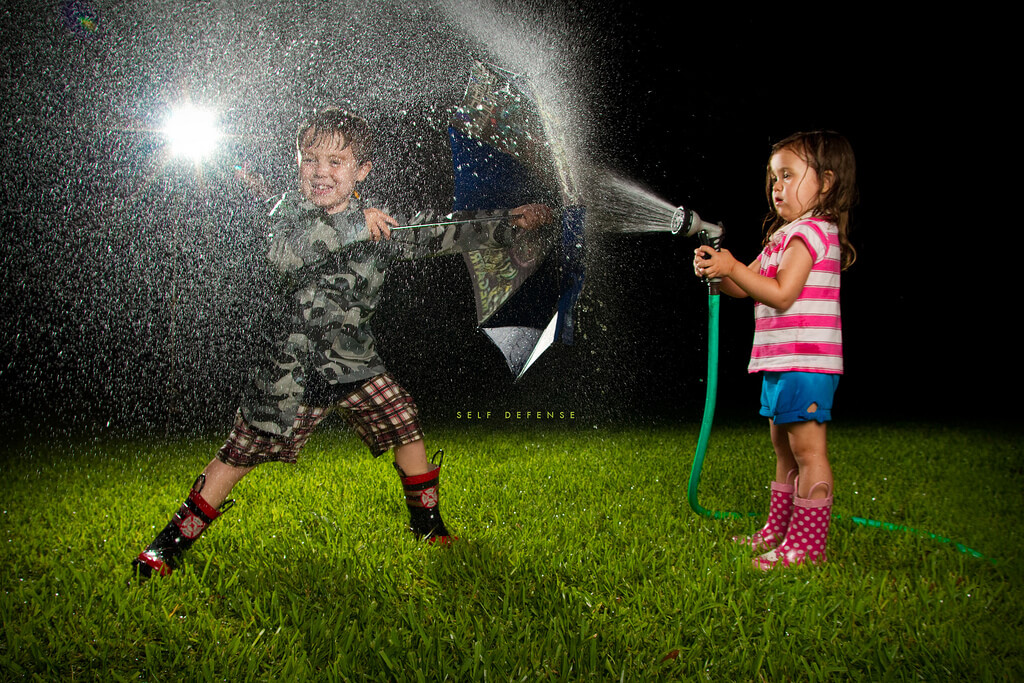
If you get a creative block, sometimes all you need is a good prop. It can be as small and simple as a pencil, or as big and unusual as a water hose. In general, people love playing with things. This playfulness will make the photo more candid and bring out your model’s personality,
Federica Giordano – fancy
Matthew Coughlin – 177/365 Self Defense
Portrait Photography Tips #5. Ignore the Face
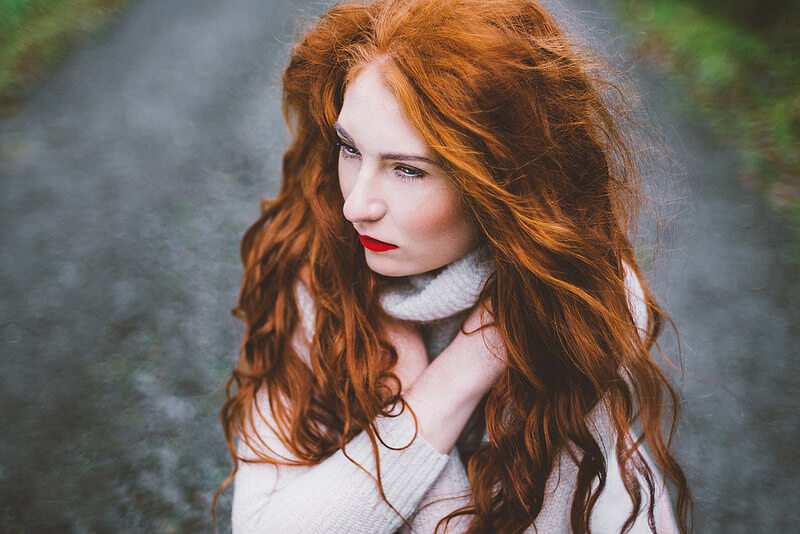
Not focusing on the face can help you think outside the box. You don’t have to hide the face entirely–though that worked for Patty Maher. You just have to place your attention (and the viewer’s attention) on a different part of the body. For example, if your model has beautiful hair, you could get a few shots of her face turned away, hidden by her hair.
Likewise, don’t limit yourself to the front of the body. A person’s back can express their personality, too. Like all photography, you won’t know until you experiment.
Shirren Lim – .on the cusp.

jordan parks – bunny

#6. Experiment with Different Lighting Styles
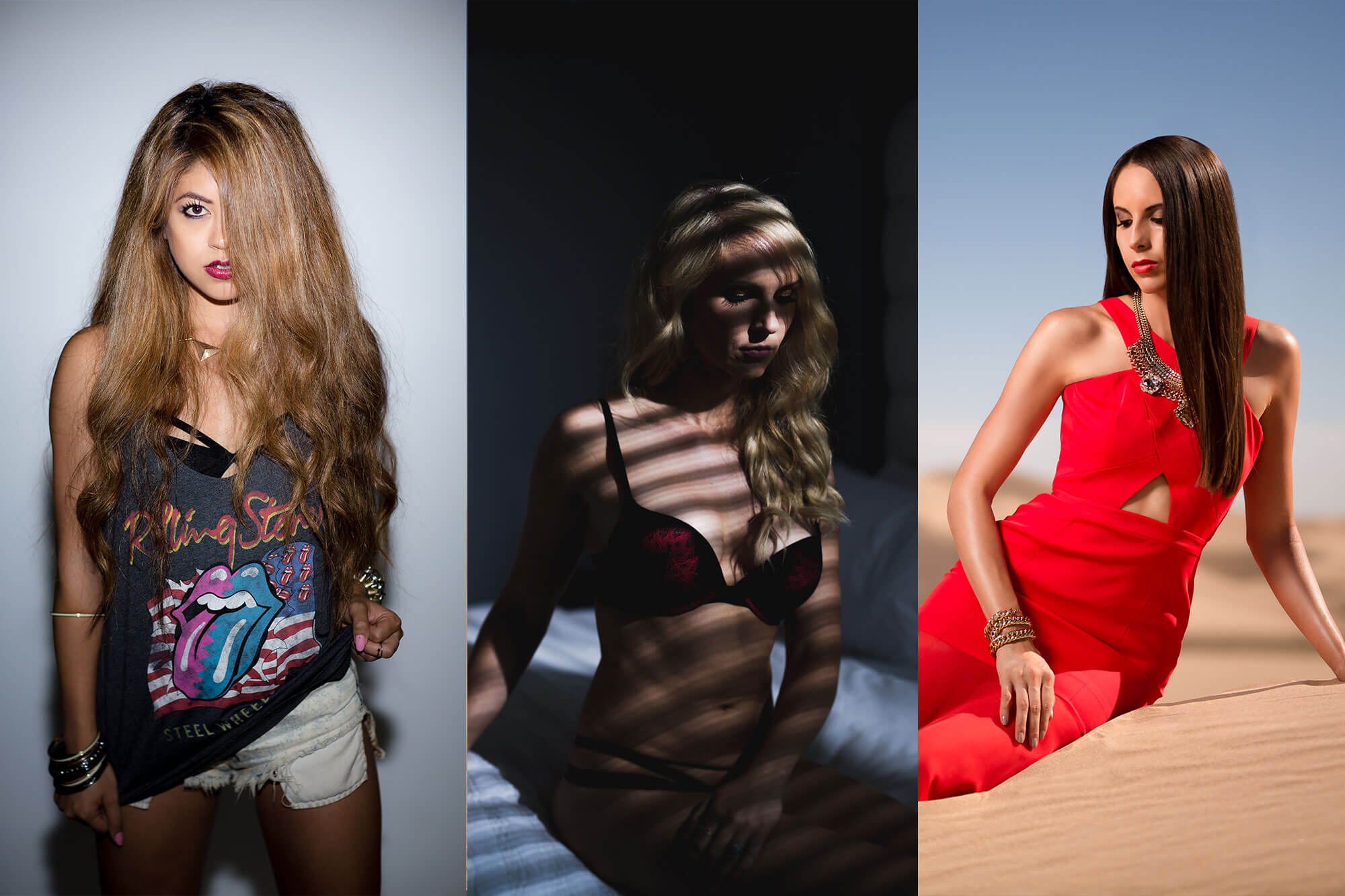
There’s a lot to consider and understand when it comes to lighting our portraits, especially if we’re going to add light using on or off-camera flash. For instance, not all lighting has the same quality, color, direction, and luminosity. Do you know the difference between soft light and hard light? Or how about warm or cool color temperature in lighting? On top of that, light direction and patterns vary as well. Like I said, there’s a lot to consider, but it’s worth experimenting with different lighting styles to take your portraiture to another level.
To help you get started, here’s a video from SLR Lounge’s YouTube channel that goes over the basics of understanding 5 common key light patterns:
Find Both Flat and Dramatic Lighting Using Only Natural Light
It’s important to note that “lighting our portraits” doesn’t always mean we have to add light. We can use natural light in specific ways to create everything from flat lit to dark and moody portraits. In fact, we encourage you to push yourself to get different looks using only natural light. Your success in this challenge will depend largely on the time of day you shoot, the placement of your subjects, and your exposure settings, among other things. If you time your session around golden hour and place your subjects intentionally (with the sun directly in front of the subjects for flat light and off to the side or behind them for more dramatic lighting), then success should come fairly easily. All that’s left is to use the right cues to capture expressions that match the mood of the portrait.
Portrait Photography Tips #7. Finalize the Portrait in Post
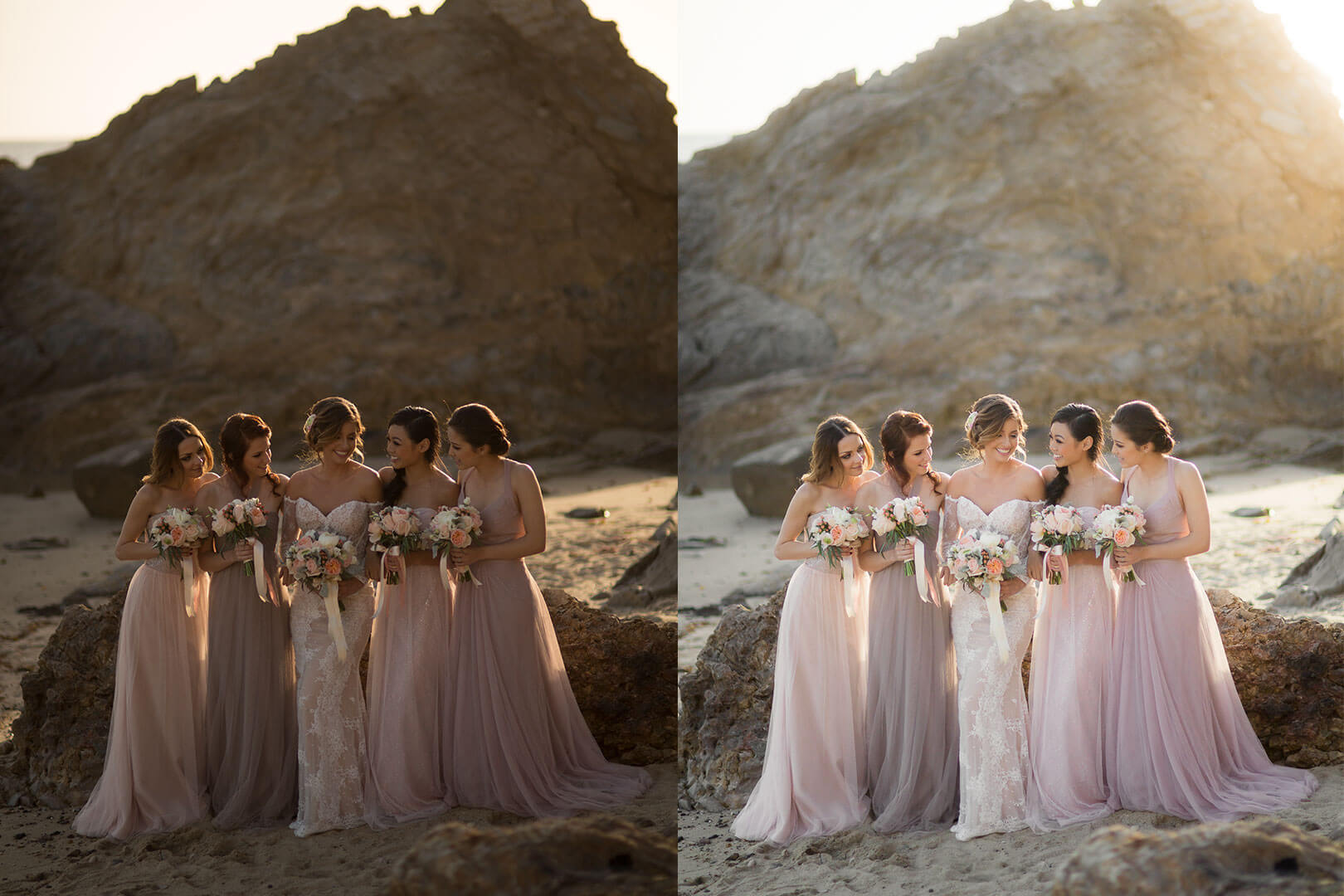
It’s amazing what we can do with our photos in post-production. Lightroom, for example, allows photographers to edit raw photos and push the dynamic range that is available in the image file. This means we can easily adjust our exposure, lift shadows and recover highlights, not to mention use other tools like a radial burn or brushes for dodging and burning, and so on. Even if you capture an amazing photo in-camera with great detail, there’s a good chance you can make it look even better in post. Give it a go before you publish your portrait and share it with the world.
Conclusion
We hope you found the portrait photography tips above useful. They’re meant to serve as a general guideline when you find yourself stuck on a shoot or lacking inspiration. If you’d like to narrow your focus and dive deeper into specific posing tips, our friends at Adorama have compiled a collection of go-to poses and tips for photographing females, as well as another for posing males. Be sure to check those out. The above photos were selected from our Flickr group. Next time you take an eye-catching portrait, share your photo with the group so we can admire your work!